
Monday to Saturday - 8:00 -7:00

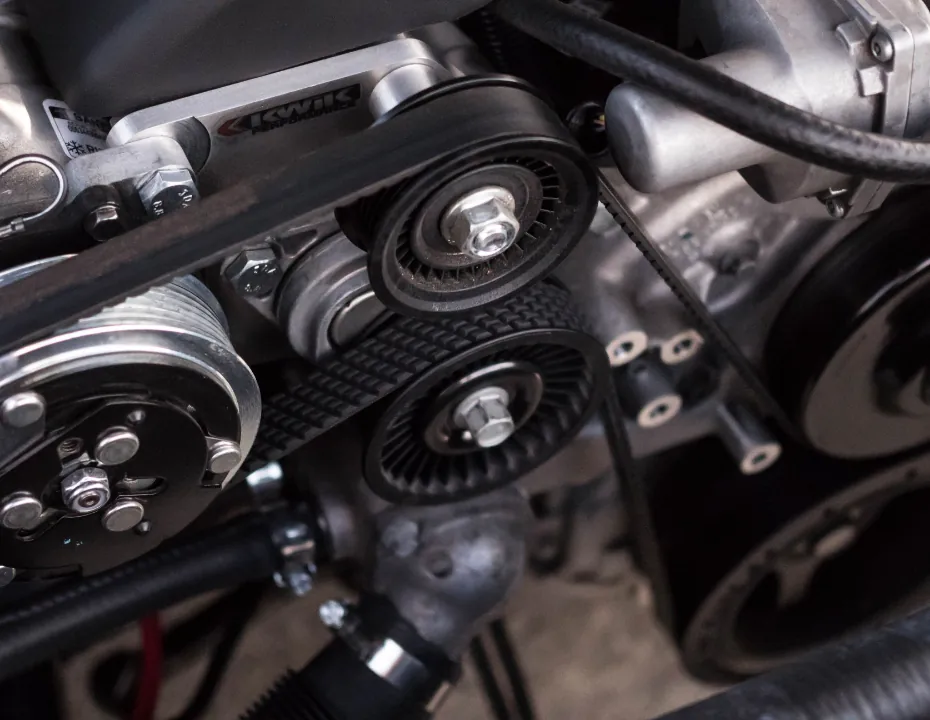
Your engine is made up of multiple moving parts working together in perfect timing. Among the most critical—and often overlooked—components are the engine belts and related systems that keep everything running smoothly.
At CD Font, we help you identify, maintain, and replace these essential parts before they turn into costly repairs.
🔍 What Are Engine Belts?
Engine belts are responsible for transferring power between different components of your vehicle. If one fails, it can affect multiple systems at once.
⚙️ Main Types of Belts:
- Serpentine Belt
Powers key components such as the alternator, power steering pump, air conditioning, and sometimes the water pump. - Timing Belt (or Timing Chain)
Synchronizes the engine’s internal components (crankshaft and camshaft), ensuring valves and pistons move correctly.
⚠️ Why These Components Are So Important
Belts and related parts are critical for:
- Proper engine timing and performance
- Cooling system operation
- Electrical system function
- Steering assistance
- Overall vehicle reliability
A failure in any of these can leave you stranded or cause severe engine damage.
🚨 Warning Signs You Shouldn’t Ignore
Watch for these signs that your belts or engine components may need attention:
- Squealing or chirping noises from the engine
- Cracks, fraying, or visible wear on belts
- Engine overheating
- Difficulty steering
- Battery warning light
- Engine misfires or poor performance
Ignoring these signs can lead to major breakdowns.
⚙️ Other Key Engine Components to Monitor
In addition to belts, several related components should be checked regularly:
- Tensioners and pulleys – keep belts tight and aligned
- Water pump – essential for cooling
- Alternator – powers your electrical system
- Hoses and seals – prevent leaks and maintain pressure
- Fluids (oil, coolant, etc.) – critical for lubrication and temperature control
🛠️ When Should You Replace Belts?
- Serpentine belts: typically every 50,000–100,000 miles
- Timing belts: usually every 60,000–100,000 miles (varies by vehicle)
Regular inspections are key, as wear can happen earlier depending on driving conditions.
🔧 Why Professional Inspection Matters
At CD Font, our experienced technicians:
- Perform detailed inspections of belts and engine components
- Identify early signs of wear or failure
- Use high-quality replacement parts
- Ensure proper installation and alignment
- Help you avoid costly engine damage
💡 Final Thoughts
Belts and engine components may seem small, but they play a huge role in your vehicle’s performance and safety. Preventive maintenance is the best way to avoid unexpected breakdowns and expensive repairs.
🔧 Keep Your Engine Running Strong
Don’t wait for a belt to fail. Visit CD Font for a complete engine inspection and stay ahead of costly problems.